

Time and attendance is usually sold as a productivity feature. For an Irish employer, it is first of all a legal record you are required to keep. Under the Organisation of Working Time Act 1997 you must hold accurate records of the hours your people work, and thin or missing records are exactly what sink an employer in a Workplace Relations Commission claim. The productivity gains are real, but they come second to the duty and the risk.
At PurpleTree we set up time and attendance for employers across Ireland, from hospitality teams running rotas on paper to shift-based manufacturers and construction sites. This guide covers what the law actually requires, where poor records cost you money and cases, what a system should do for an Irish business, and how we put it in place so the records look after themselves.
What the Organisation of Working Time Act 1997 Makes You Record
Every Irish employer has to keep records showing that they are meeting the Act's rules on working hours, rest and leave. In practice that means recording the hours each employee works daily and weekly, the rest breaks and rest periods they receive, and the annual leave and public holidays they are granted. Those records have to be kept for three years under the Organisation of Working Time (Records) Regulations 2001 (SI 473/2001). Where you do not record start and finish times electronically, you also have to keep a record confirming that rest breaks were provided.
Failing to keep these records is an offence in its own right, carrying a fine of up to €1,900. That is the floor, not the target. The bigger exposure is what happens when a dispute arises and you cannot produce the records, which is where most employers actually get caught out. Our guide to the most common Organisation of Working Time Act mistakes walks through where employers most often fall short.
Where Poor Time Records Cost Irish Employers
Weak time and attendance records cost you on two fronts. The first is payroll. When hours are recorded on paper or in a spreadsheet and then re-keyed by hand into the pay run, errors creep in. People get overpaid, underpaid or paid for overtime nobody signed off, and the margin leaks quietly every pay period. Underpayments are not just an administrative annoyance either, they are the basis for a claim under the Payment of Wages Act 1991, heard at the WRC, and clean records are what let you resolve one quickly. If you would rather take that risk off your desk entirely, our outsourced payroll service runs the pay side against the same clean data.
The second front is compliance. If the WRC inspects, or an employee brings a working-time complaint, your records are your evidence. When you cannot produce them, the employee's account largely stands unchallenged and awards tend to follow. Being ready for that scrutiny is a large part of what our WRC compliance support is built around, and accurate time records are the foundation of it.
Manual Timesheets Versus Digital Time and Attendance
There is an old objection that tracking hours is about micromanagement. It is not. The point of a good time and attendance record is accuracy and evidence, for the employer and the employee alike. A worker who is genuinely owed overtime is protected by the same record that protects you from a claim that is not owed.
Paper timesheets and spreadsheets are cheap and familiar, but they fail as evidence in the ways that matter. They get filled in after the fact rather than as the work happens, they rarely capture rest breaks, and they go missing at the worst possible time. This is felt most sharply in sectors that run on rotas. A hospitality business juggling split shifts and seasonal staff can lose an entire week's records to one misplaced sheet. A digital system timestamps hours as they are worked, records breaks and leave alongside them, and keeps three years of history in one place that you can actually stand over. This is the practical value of workforce management software: the record keeps itself instead of depending on someone remembering to fill in a sheet after the shift.
What to Look for in a System for an Irish Business
A time and attendance system built for an Irish employer should do more than log hours. The features that earn their keep are the ones tied directly to your obligations and your pay run:
- Rest-break, rest-period and leave tracking aligned to the Organisation of Working Time Act 1997, so the record you keep is the record the law asks for.
- Payroll-ready export, so hours move into the pay run without being re-keyed by hand, which is where most payroll errors begin.
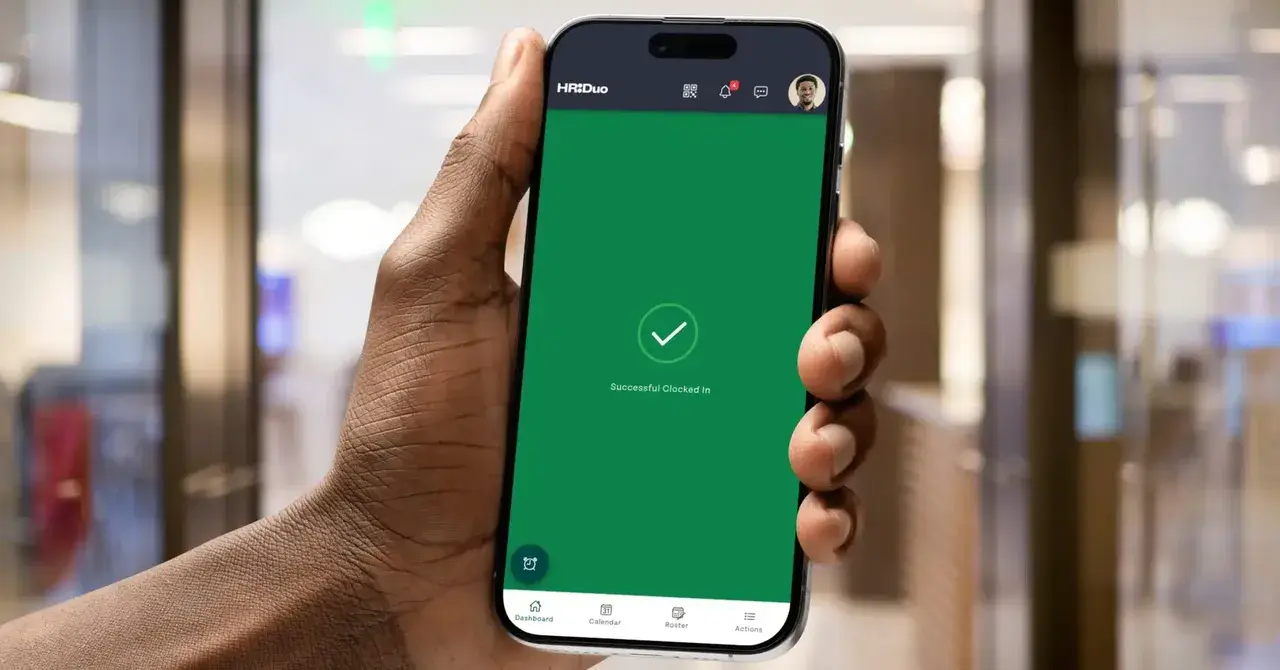
- Mobile clock-in for people who do not sit at a desk, so staff on sites, floors and shifts can record hours where the work happens.
- Clear, retrievable reporting you could hand to an inspector without a scramble.
Getting the hours right also underpins getting the pay right. Whatever system you use has to hold up against your obligations on the national minimum wage in Ireland and on overtime, because an inaccurate record of hours quietly becomes an inaccurate rate of pay.
How PurpleTree Sets This Up
Our answer is not "buy an app and work it out yourself". We provide HR:Duo as the platform, but we configure it around how your business actually runs, migrate your existing data, and train your managers to use it. The time and attendance tier starts from €8 per employee per month and the full HR suite from €14 per employee per month, with the rate dropping as your headcount grows. From there the hours feed cleanly into payroll, so the same data that keeps you compliant also removes the manual step that causes most pay errors.
The result is a working-time record that holds up, a pay run built on accurate hours, and a named HR team in Longford behind both. Start with a free HR Health Check to see where your records stand today, see what HR software and support costs for a team your size, or contact our team to talk through the right setup for your business.
Time and attendance questions answered
On this page